
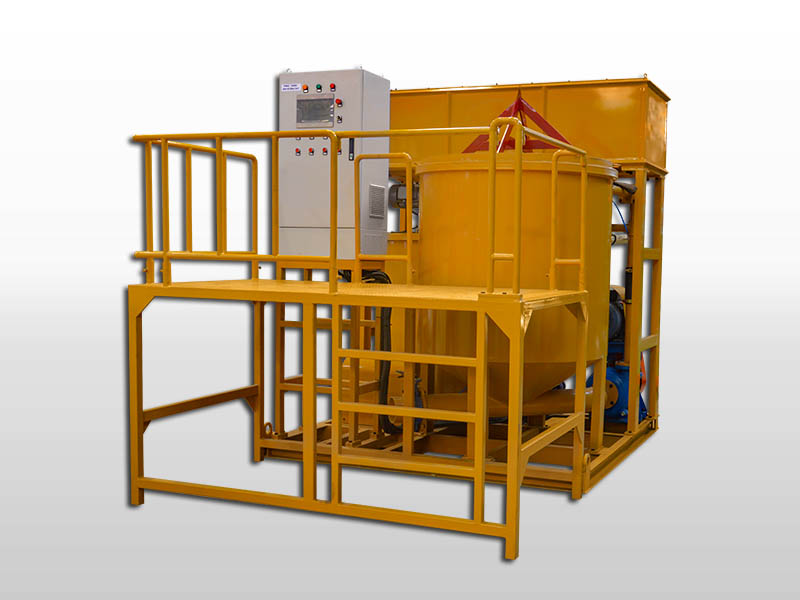
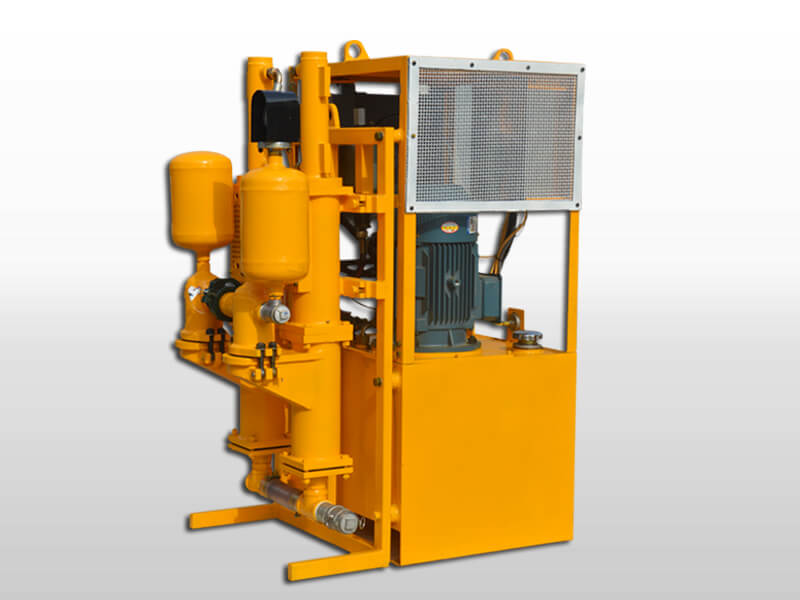
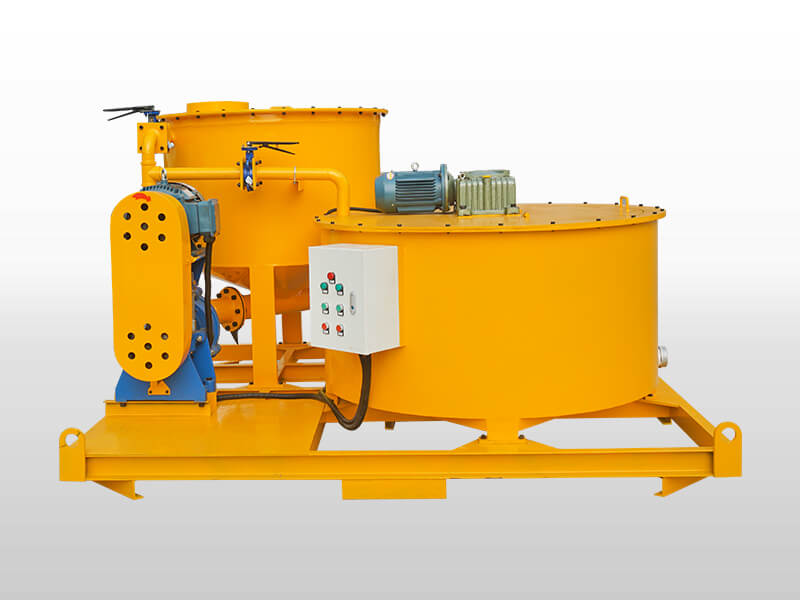
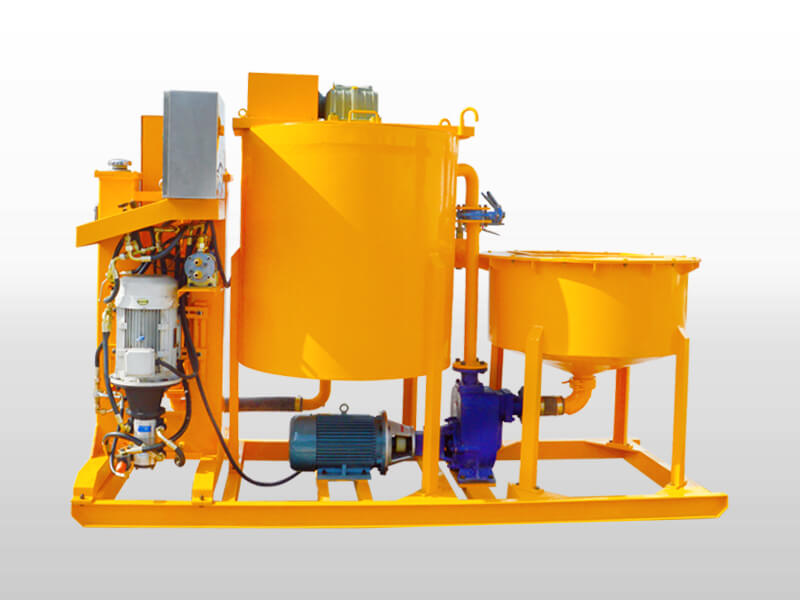
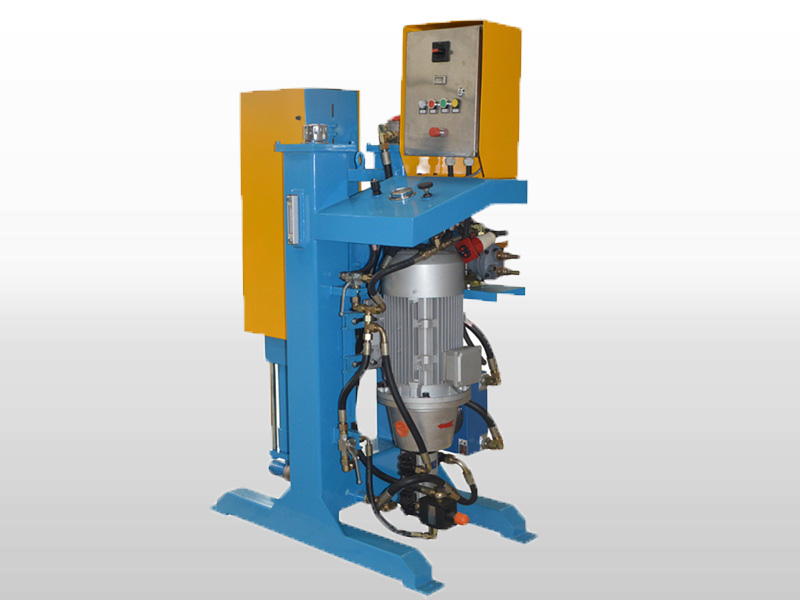
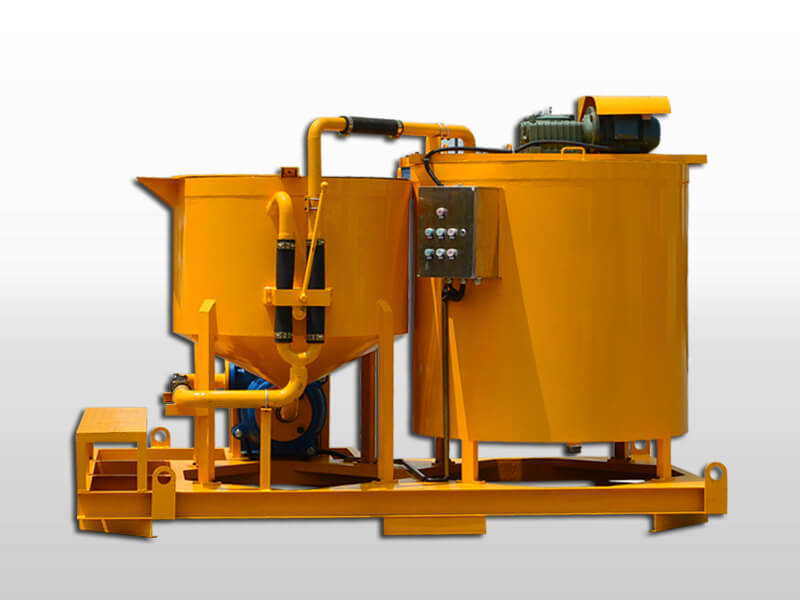
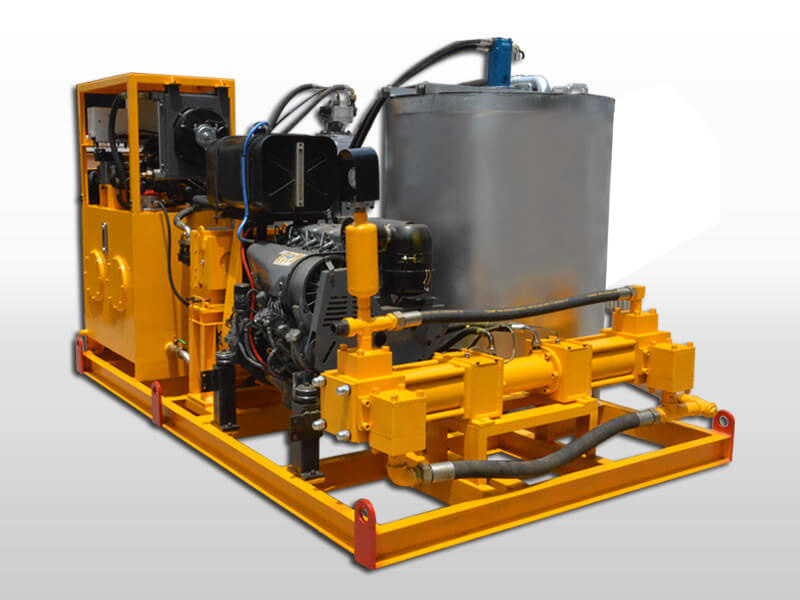
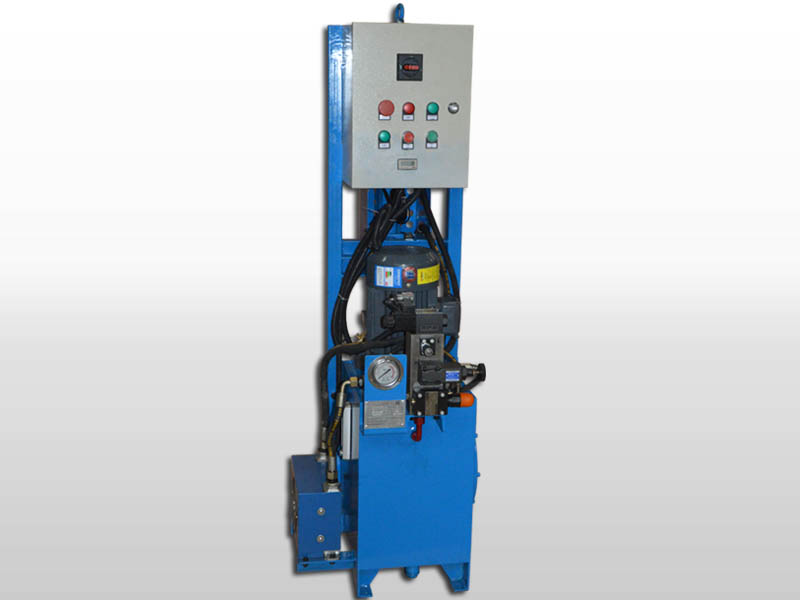
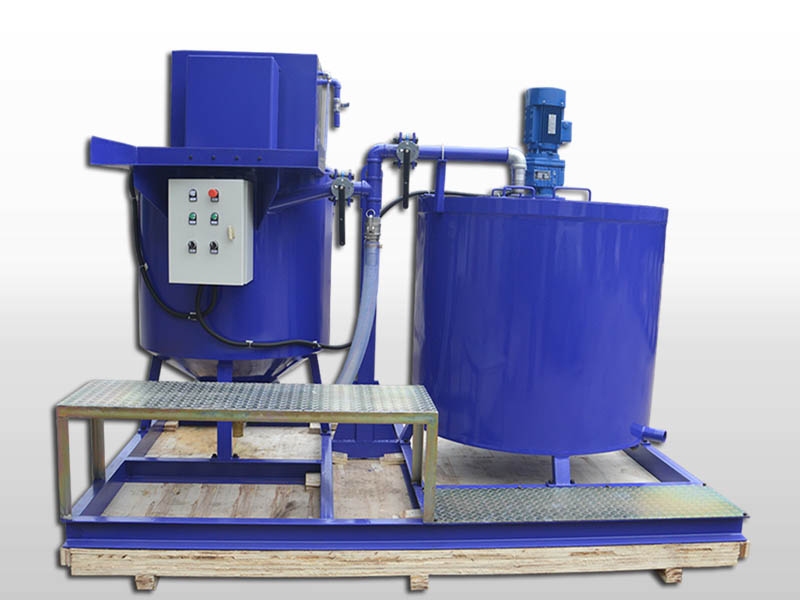
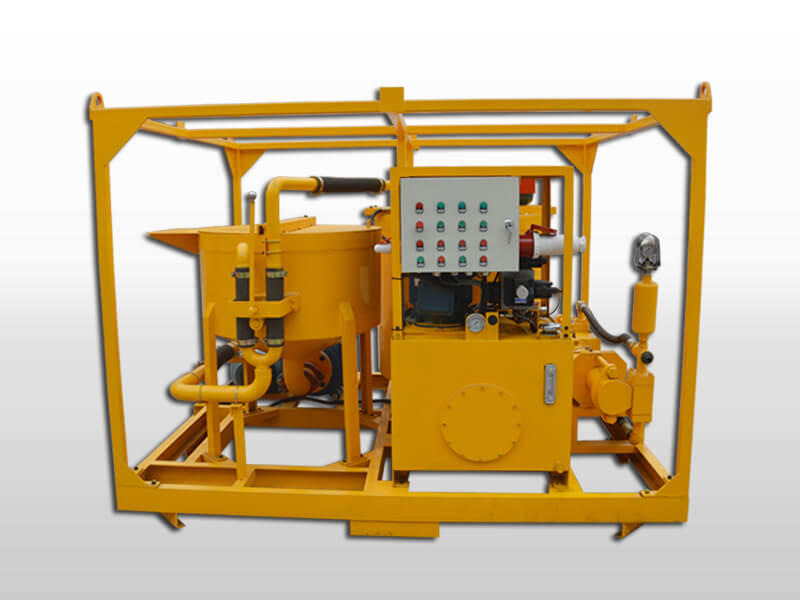
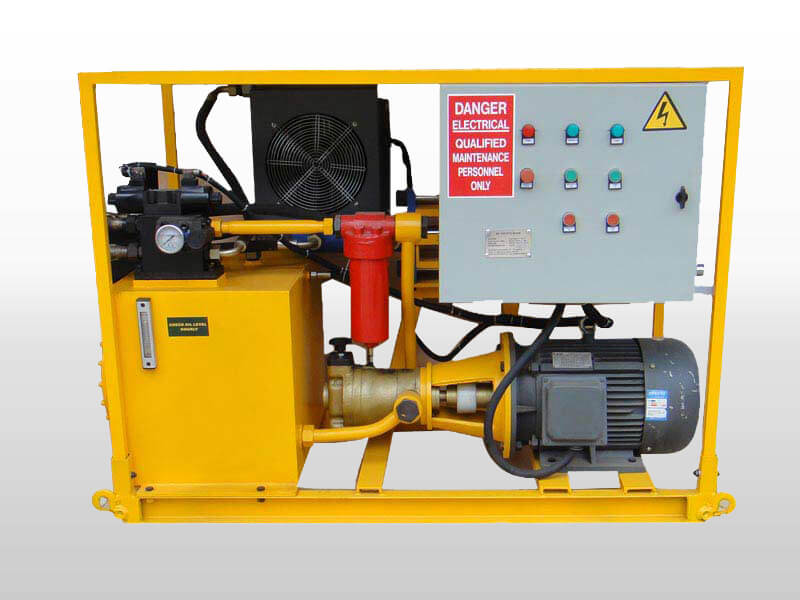
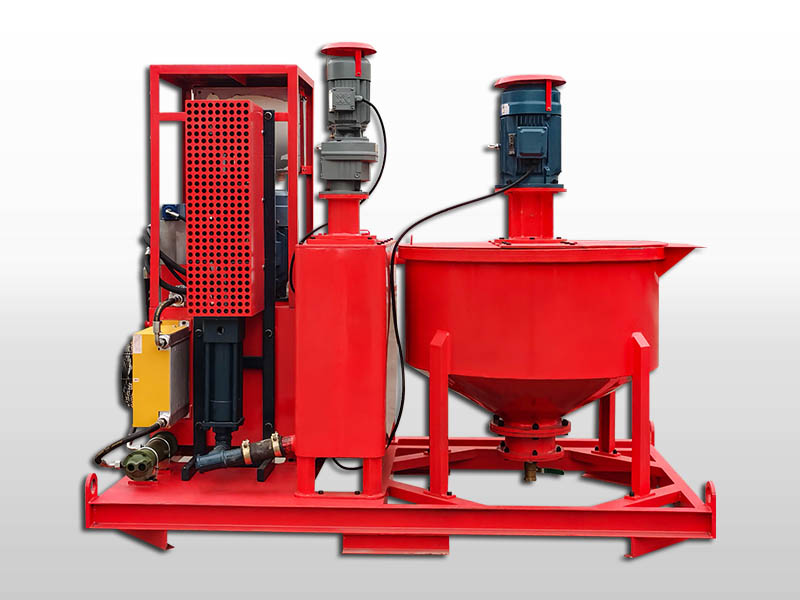
hydraulic two kinds of cement grouting machine

Epoxy grout vs cement grout – What type of should you use?
Epoxy grout vs cement grout – epoxy jointing mortar is the perfect choice for kitchen counters, backsplashes, floors or any other heavy-traffic areas. It is more expensive and more difficult to apply but with time it is a worthy investment. Epoxy grout vs cement grout – basic features of cement type

Basic Things you should know about Cement – Basic Civil
May 08, 2016· Types of cement; Various types of cement are possible by blending different proportions of gypsum, clinker, and other additives. Cements that are used for construction fall into two main categories based on cement properties, hydraulic or non-hydraulic. In addition to the two main cement forms, there are several different forms of hydraulic cement.
Piston Cement Grout Pump – hnwbzn.com
Description: Electric cement slurry grout pump for construction projects and tunnel is divided into two types, single cyclinder grout pump and double cyclinders grout pump, which are mainly used for grouting of reservoirs, rivers.

Shotcrete machine_grout pump_gunite machine_concrete …
Advantages and price of grout pump with double cylinder and double liquidDouble cylinder and double liquid grout pump can deliver cement, slurry, sodium silicate, oil, water and other liquid. It can deliver two kinds of liquid as well as one liquid. It has the feature of stable performance, compact Read More>
Cement – Wikipedia
Two of the most widely used grouts in such projects are: a) grouts prepared in-situ with Ordinary Portland Cement (OPC) and b) Ready to use or pre-mixed or pre-packed non-shrink grouts. Grout prepared in-situ is usually a simple mix of OPC & good quality, well graded sand.

Elevator Types – archtoolbox.com
A cement is a binder, a substance used for construction that sets, hardens, and adheres to other materials to bind them together. There are two main forms of cement: Geopolymer cement and Portland Cement.Cement is seldom used on its own, but rather to bind sand and gravel together.Cement mixed with fine aggregate produces mortar for masonry, or with sand and gravel, produces concrete.
15+ Different Types of Cement – Their Definition
mance properties of two types of grout using identical testing methods so that a comparison of performance proper-ties can be made on an apples-to-apples basis to aid in selection of the best grout for a particular application. Results are presented for an epoxy grout and an ultra-high strength hydraulic grout (known as hybrid per-

Different Types of Cement – Brighthub Engineering
A number of different types of cement are manufactured, by varying the ratio of the raw material and/or by adding some additional materials. Some of the most common cement classifications are: 1. Ordinary Portland Cement. 2. Rapid hardening cement,Author: Inamullah Khan

Types Of Cement and Their Uses In Construction – Daily Civil
The difference between concrete and cement is described. In addition, the different types of cement that are used by civil engineers in construction projects, including hydraulic cement and Portland cement are explained.Author: Suvo
What is the difference between hydraulic and non-hydraulic
Dec 03, 2016· Types of cement: Rapid hardening cement, Low heat cement, Sulphate resisting cement, White cement, Hydrophobic cement, portland blast cement, etc. … This type of cement is mainly used for grouting anchor bolts and prestressed concrete ducts. … can I use two types of cement in a single mix,eg when working in a sulphate area and need it to …
The reaction of carbonation requires the air be in contact with the dry cement, hence, for this reason the slaked lime is a non-hydraulic cement and cannot be used under water. Conversely, the chemistry ruling the action of the hydraulic cement is the hydration.

grouting has water to cement ratio varying between 1 : 1 and 2.65 : 1 and exhibits zero bleed. In many cases, it is necessary to grout soil and rock formations having an effective pore aperture smaller than the allowable aperture for Portland cement grout. Type III cement or microfine cement grouts are used to grout these finer materials.

Hydraulic Cement Stable under water Nonhydraulic Cement Products of hydration are not resistant to water (i.e. limestone) Cement Concrete Technology 6 Cements that harden by reaction with water and form a water-resistant product. Portland Cement (P.C.) Portland cement is a hydraulic cement capable of setting, hardening and